
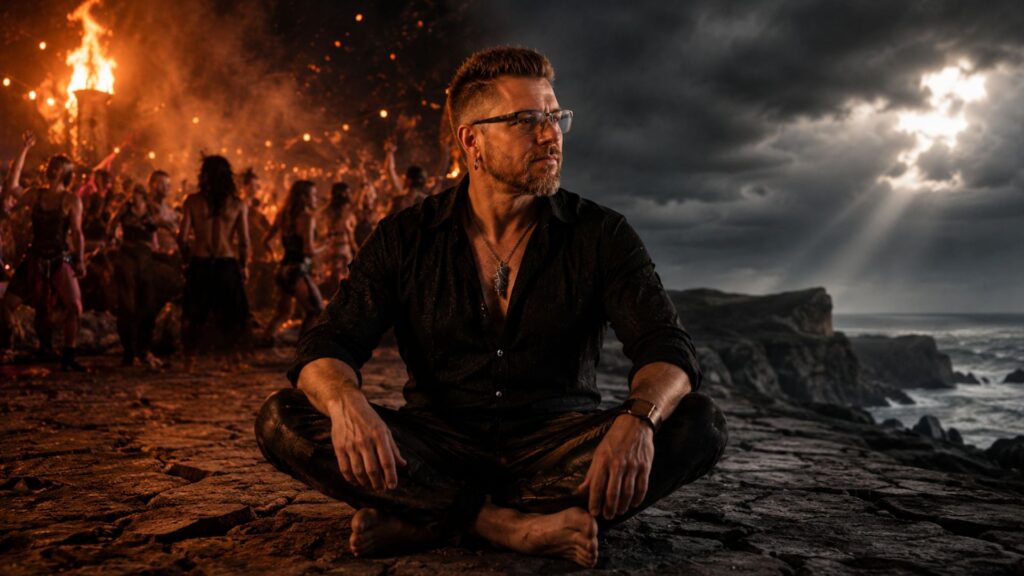
Dionysus, Jung, and the difference between wildness that liberates and wildness that destroys
We have spent two weeks celebrating the Wild Man.
The boy before the armor. The canyon. The desert. The body’s intelligence reclaimed. Desire finally honored rather than suppressed.
All of that is real. All of that matters.
But every archetype has a shadow. And the Wild Man’s shadow is one of the most dangerous ones available — precisely because it disguises itself so convincingly as liberation.
This week’s piece goes into it honestly.
Dionysus — the Greek god of ecstasy and wildness — was also the god of the mob. Of frenzy. Of the Maenads who tore things apart in divine madness. The ancients understood something we have largely forgotten: that the same energy that opens you to aliveness can, without a container, pull you toward destruction.
Wildness comes from aliveness. Recklessness comes from wound. They can look identical from the outside. The difference is everything.
This week’s piece explores that distinction — and the practice of conscious wildness. One breath. One honest question. Enough structure to know what you are actually doing before you do it.
The paid piece this week goes into where this distinction has shown up in my own life during one of the more turbulent stretches of this month. If you have been following the current chapter, that is where it gets personal.Read the full piece →
Wild and conscious — working on both,
Shiva J